Madison Black Built a Community in the Lab, on the Court and in Scott Hall
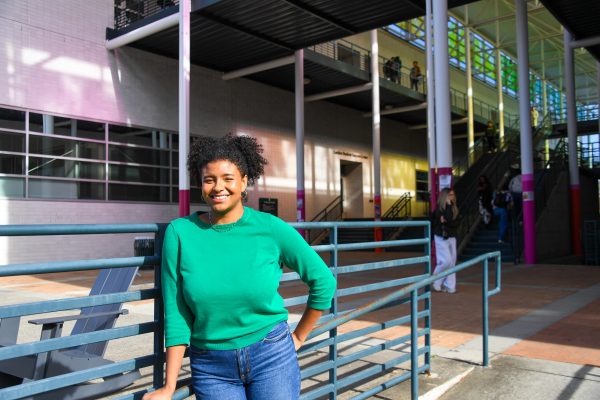
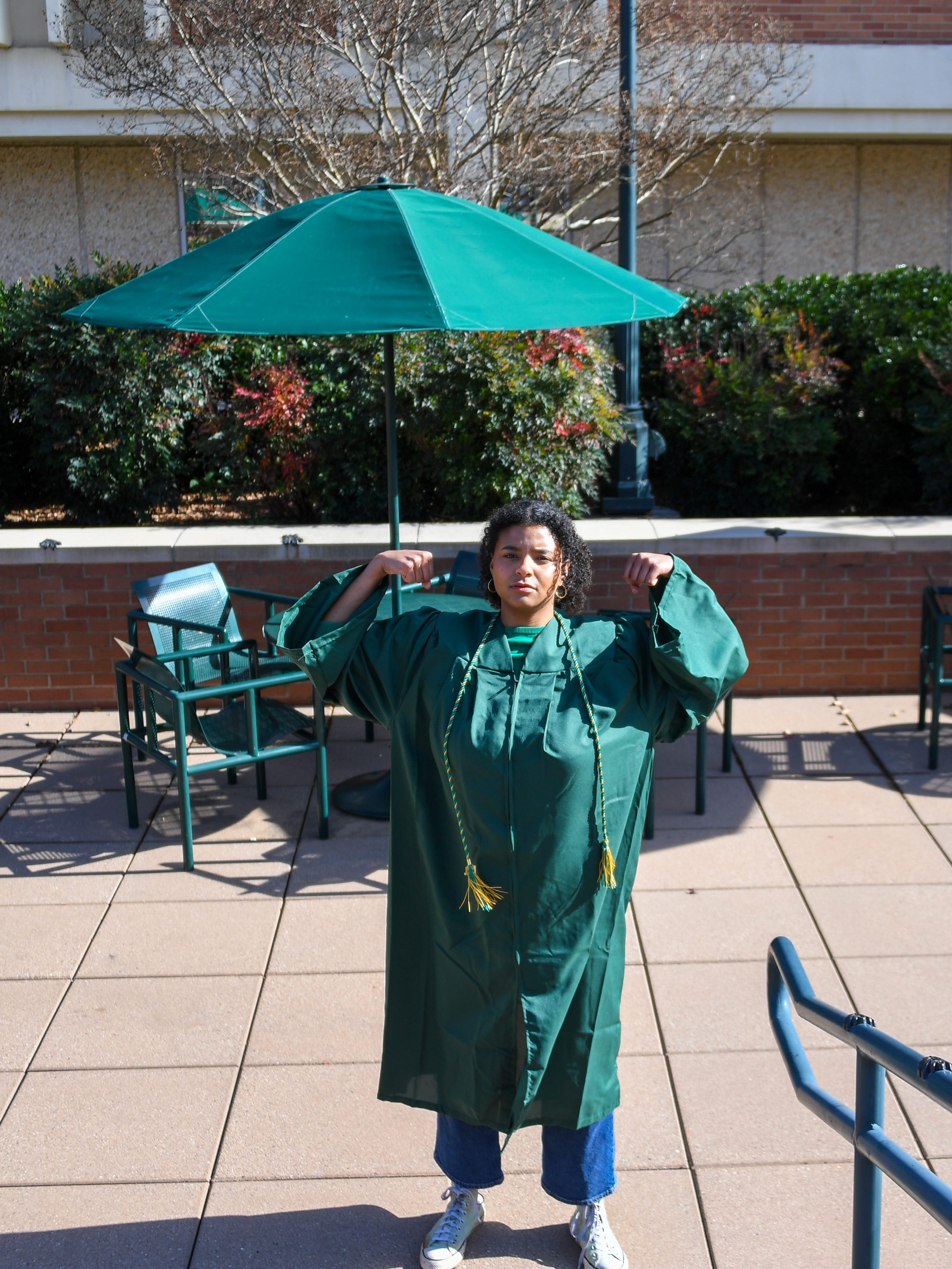
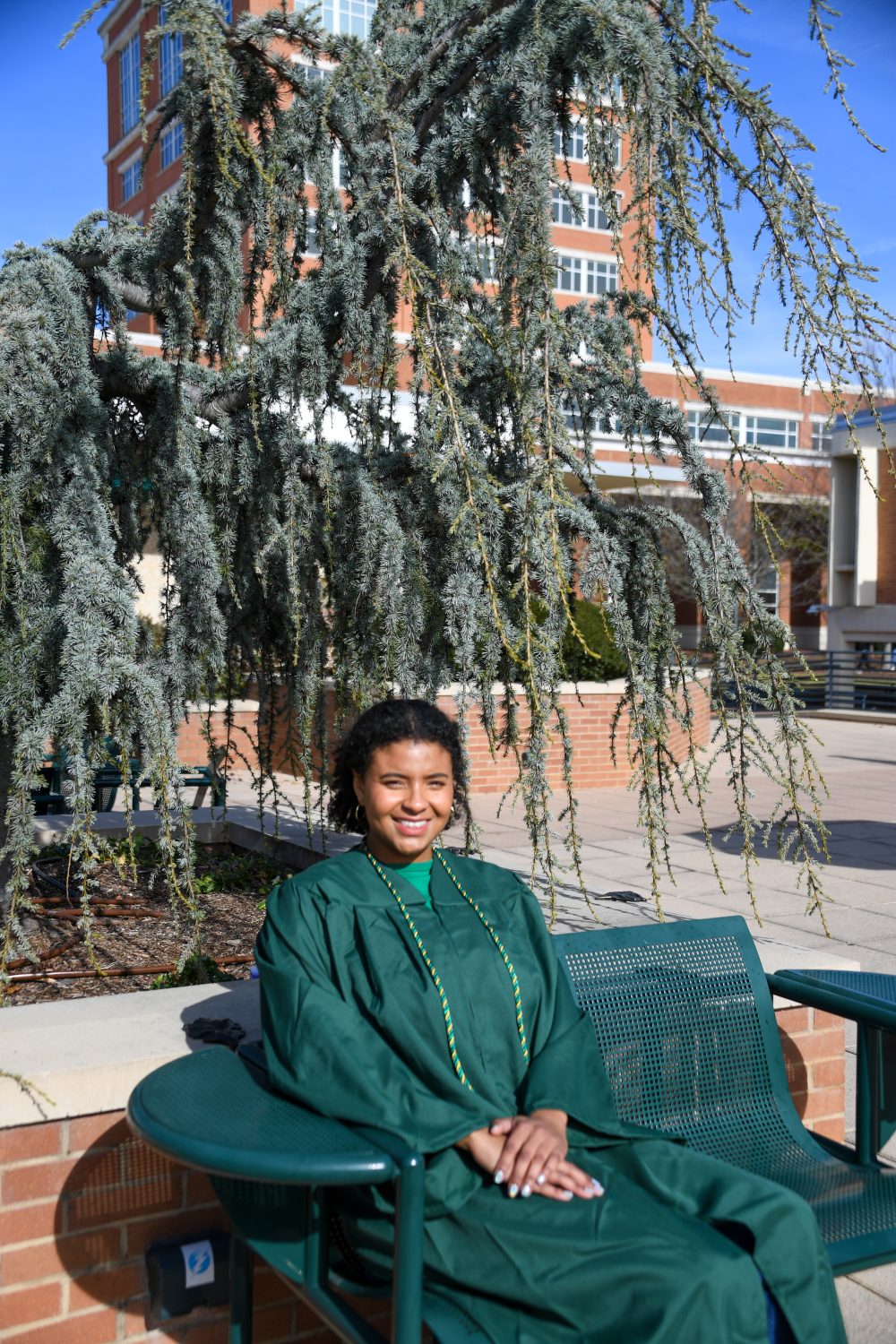
When Madison Black walks across the stage this December, she will have more than a diploma. She will carry memories of discovery in the classroom, mentorship from faculty and a network of friendships forged in residence halls and on the volleyball court.
Black is graduating from the College of Humanities & Earth and Social Sciences with a psychology degree and a minor in Spanish, and will leave UNC Charlotte with a legacy of leadership, mentorship and resilience — and a clear path toward graduate study in industrial/organizational psychology.
Learning through experience
One of the most memorable projects for Black came during the Learning and Memory course taught by Doug Markant, Ph.D., which was her favorite class she took at Charlotte. She was asked to learn a new skill and document the process. Black chose to learn the game of chess.
“One of the principles I teach in the course is that learning is not just about memorizing a new set of facts, but requires actively building connections with one’s existing knowledge and experiences. Madison demonstrated this kind of active engagement from the start by asking questions that tested her own understanding and which explored past the boundaries of the class material in meaningful ways,” said Markant, associate professor in the Department of Psychological Science.
“This project not only solidified my understanding of forgetting and the disintegration of memory but also taught me plenty on how I learned new skills,” Black said.
“Though in the end, I did learn the game of chess, but let’s say I specialize in easy victories — for the other opponent.”
Madison Black, discussing her project in Markant’s Learning and Memory course
Markant believes Black’s approach reflects her broader strengths as a student.
“In addition to her consistently kind and considerate demeanor, I was immediately impressed by her thoughtful engagement with the material,” said Markant. “For me, Madison’s sense of curiosity and care for others embody the best values of an education in psychology. I’m excited to see her continue to grow in the future and will be proud to call her an alumna of our program.”
Mentorship that mattered
Finding her community and mentorship became a cornerstone of Black’s undergraduate career. From the housekeeper and security guard in Scott Hall to teammates in the lab, Black sought out and surrounded herself with kind people that supported her. She cares deeply about them in return, and it is the people that she will remember most.
She credits Meghan Davenport, Ph.D. and researcher Natalie Wilde for guiding her through undergraduate research and helping to prepare her for graduate studies.
“Both of these amazing researchers have shown consistent patience and provided thorough insights, time and time again,” Black said. “Since I have decided to pursue graduate studies, I am now encountering uncharted waters. Yet, with both of their help, I feel more grounded and confident in my progress and support.”
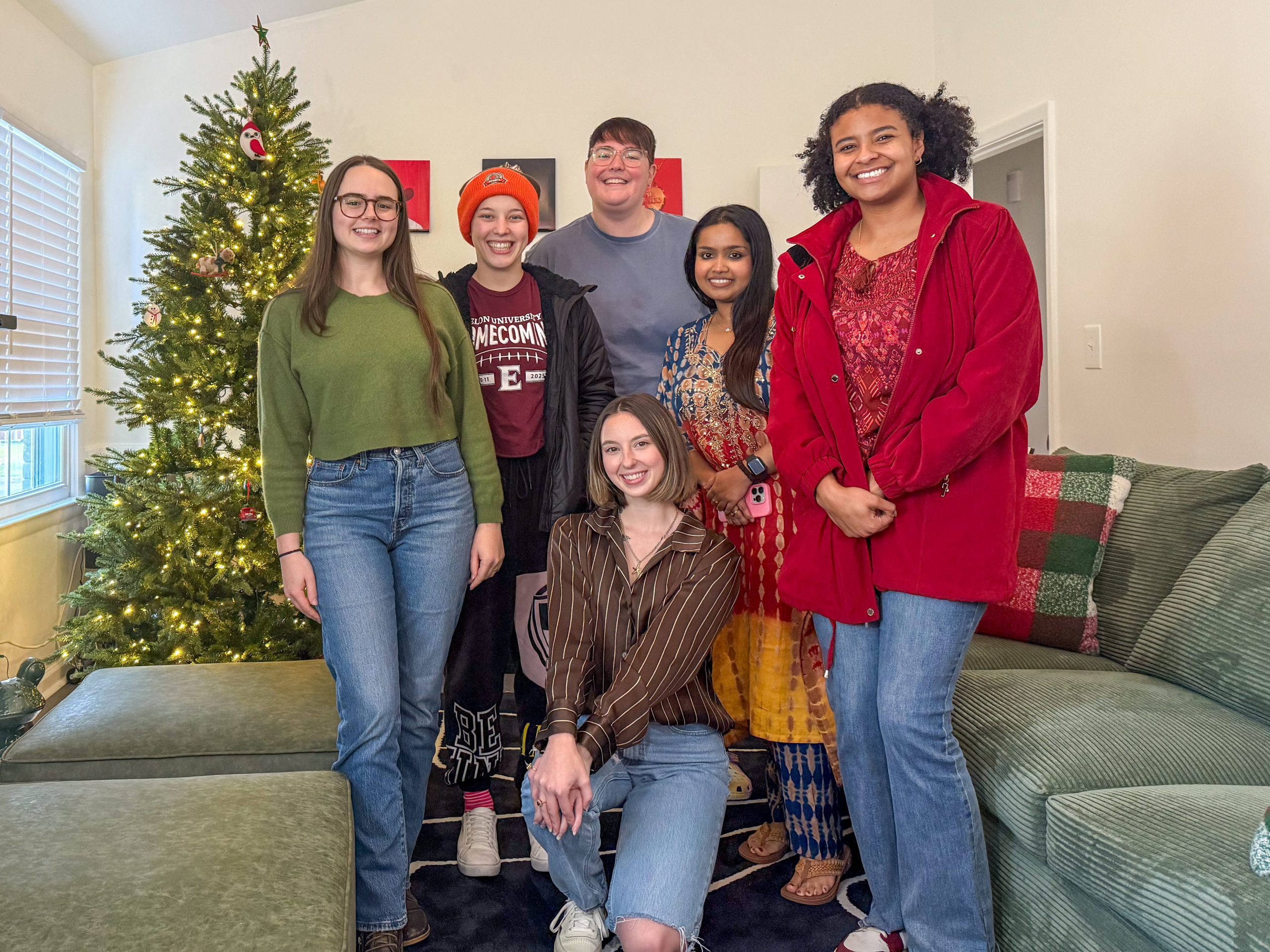
“Madison is a delight. She makes the most out of every opportunity — she actively participates in class discussions, engaging deeply with course materials to ask insightful questions and point out meaningful connections between readings and to real-world applications,” said Davenport. “In the lab, she is curious and diligent, and I trust her to take on important research tasks, even those that feel more nebulous and complicated. Madison’s passion, professionalism and curiosity make her a pleasure to work with and consistently improves the experience in the classroom or the lab for her fellow students, as well.”
Finding her place in organizational science
Black also found a home in the Organizational Science Club, advised by Steven Rogelberg, Ph.D., Chancellor’s Professor and professor of organizational science, psychology and management.
“Joining the club initially was nice, but it became so much more than just a few club meetings,” she said. “Dr. Rogelberg created the club because he saw how much support his daughter had at a smaller school, and he wanted to bring that same sense of community here, where organizational science is a smaller part of psychology. You can really tell he cares — it’s not just empty words, it’s followed by thoughtful action. That support meant so much to me.”
“Madison is a model student both in and out of the classroom,” Rogelberg said. “She is incredibly intelligent, thoughtful, conscientious and just so kind. I am incredibly grateful to be part of Team Madison.”
Building community in Scott Hall
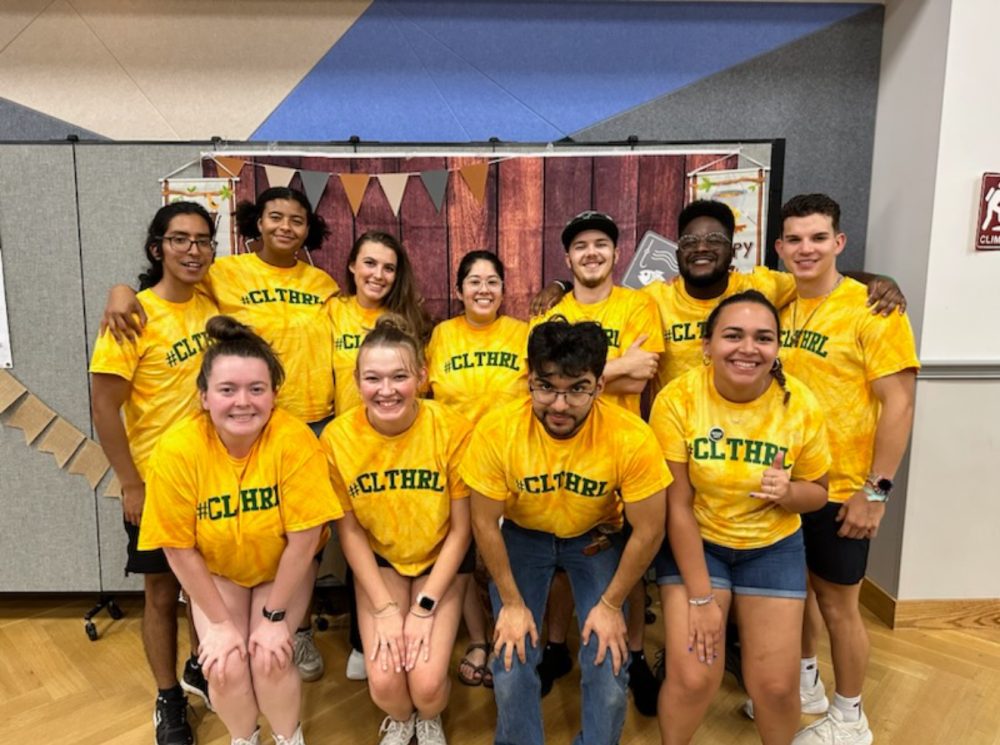
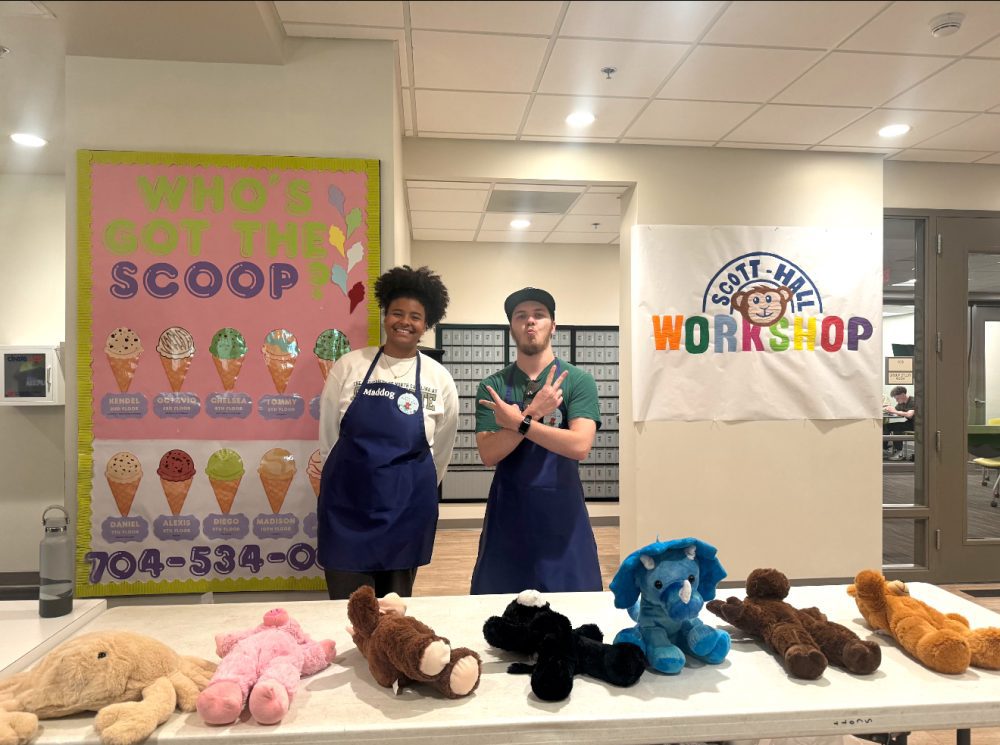
Beyond academics and research, Black dedicated two years working in Housing and Residence Life as a resident advisor in Scott Hall. The role gave her the chance to build community, support her peers and grow as a leader.
“Being an RA taught me so much about teamwork and community development,” she said. “We hosted events — one of my favorites was a sexual health program where we turned learning into a game. People had fun, but they also walked away with knowledge that mattered.”
The job brought new responsibilities as she mentored incoming RAs.
“Leadership was a big part of my second year,” she said. “I wanted to make sure new staff felt supported, just like I had been. Mentorship became one of the most rewarding parts of the job.”
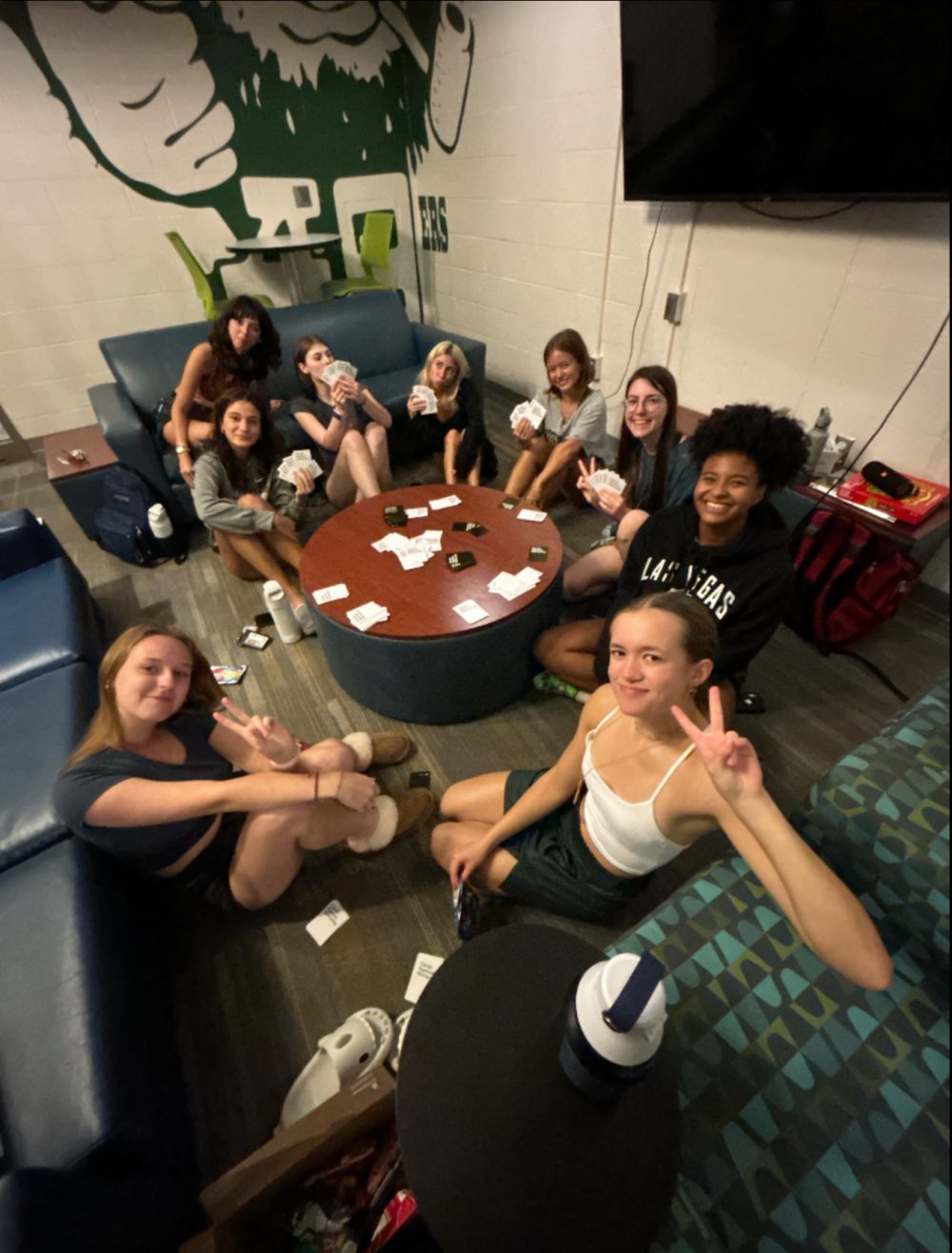
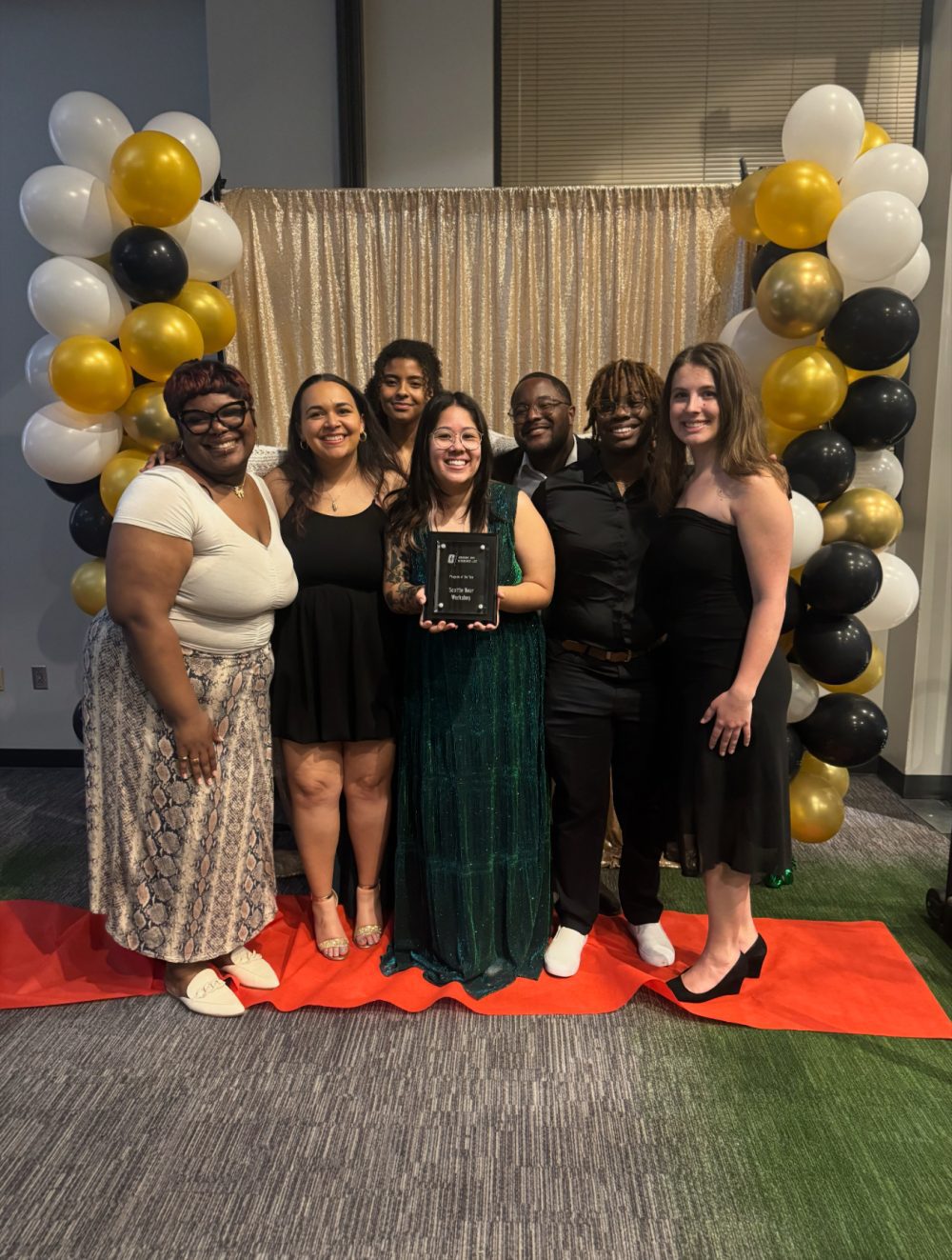
Black experienced a lot of challenges working with a wide variety of people living away from home for the first time. Some students thrived while others were still trying to find their way. She cared for all her residents and encouraged them to care for themselves as much as they care for their studies.
“My greatest advice for any student or simply a person pursuing education is to lean on others and be kind to yourself,” she said. “It took me a while to realize that the same understanding and sympathy I gave to others, I failed to implement in myself. But once I took into account my emotions and goals with sensitivity and the support of my friends and family, it all became much easier.”
Building community on the court
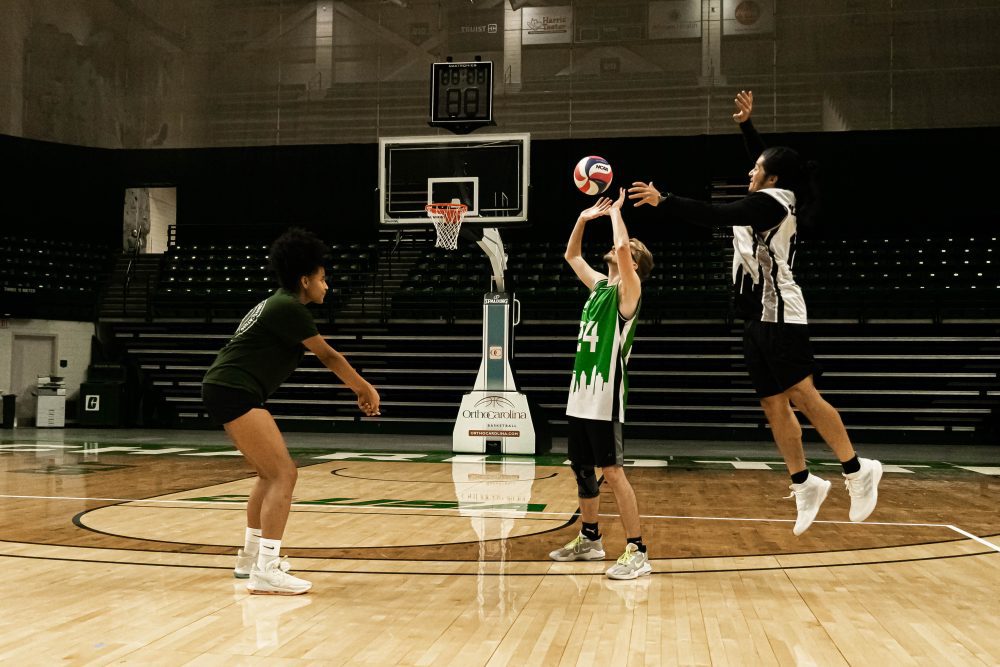
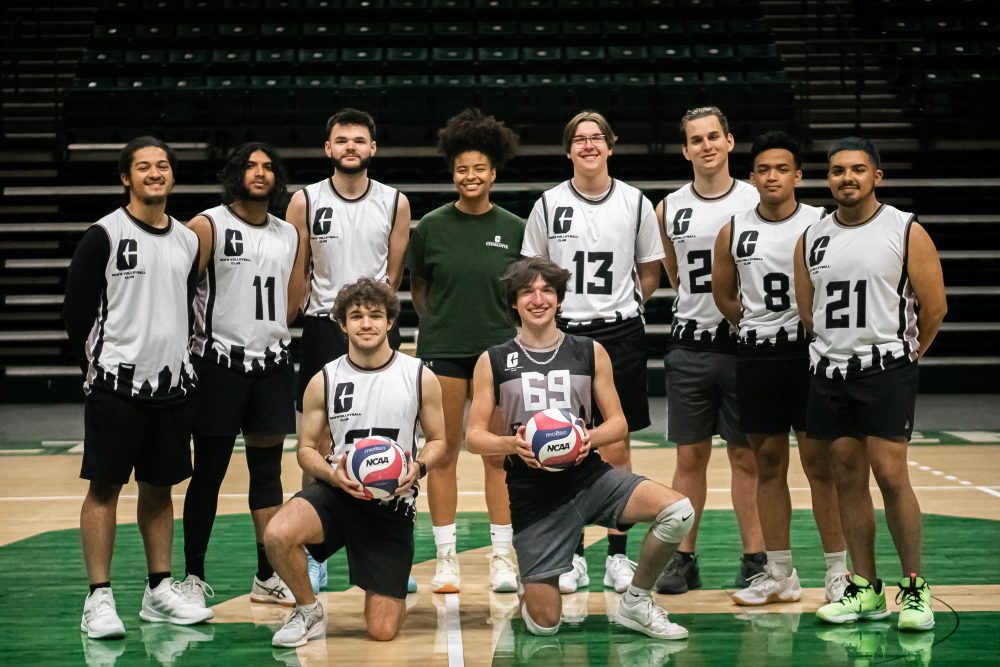
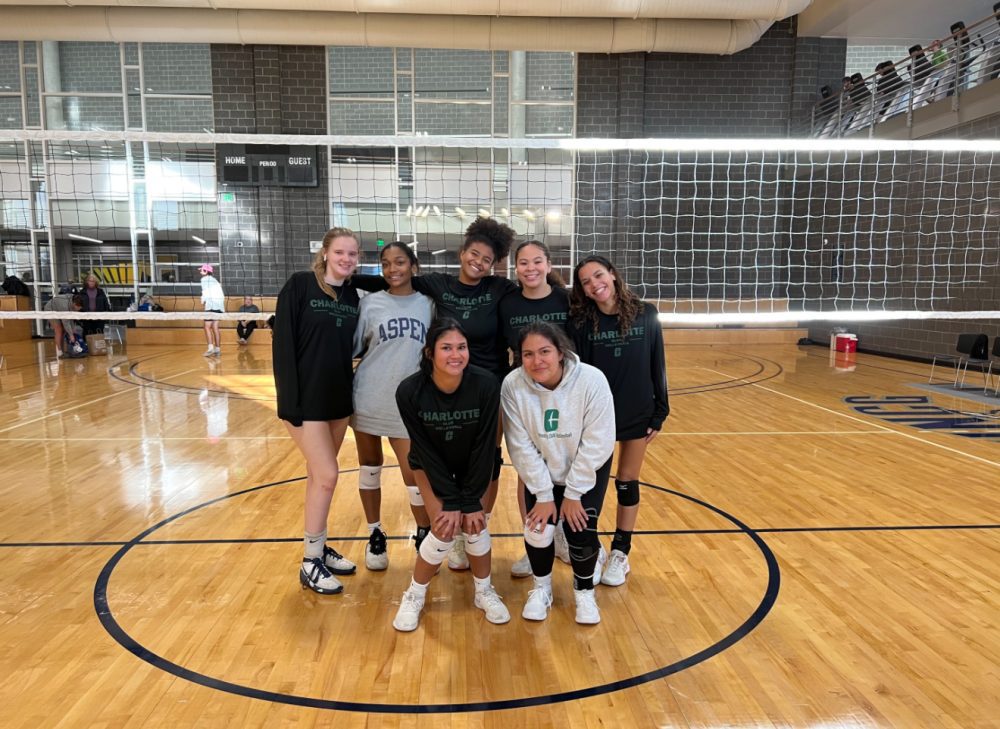
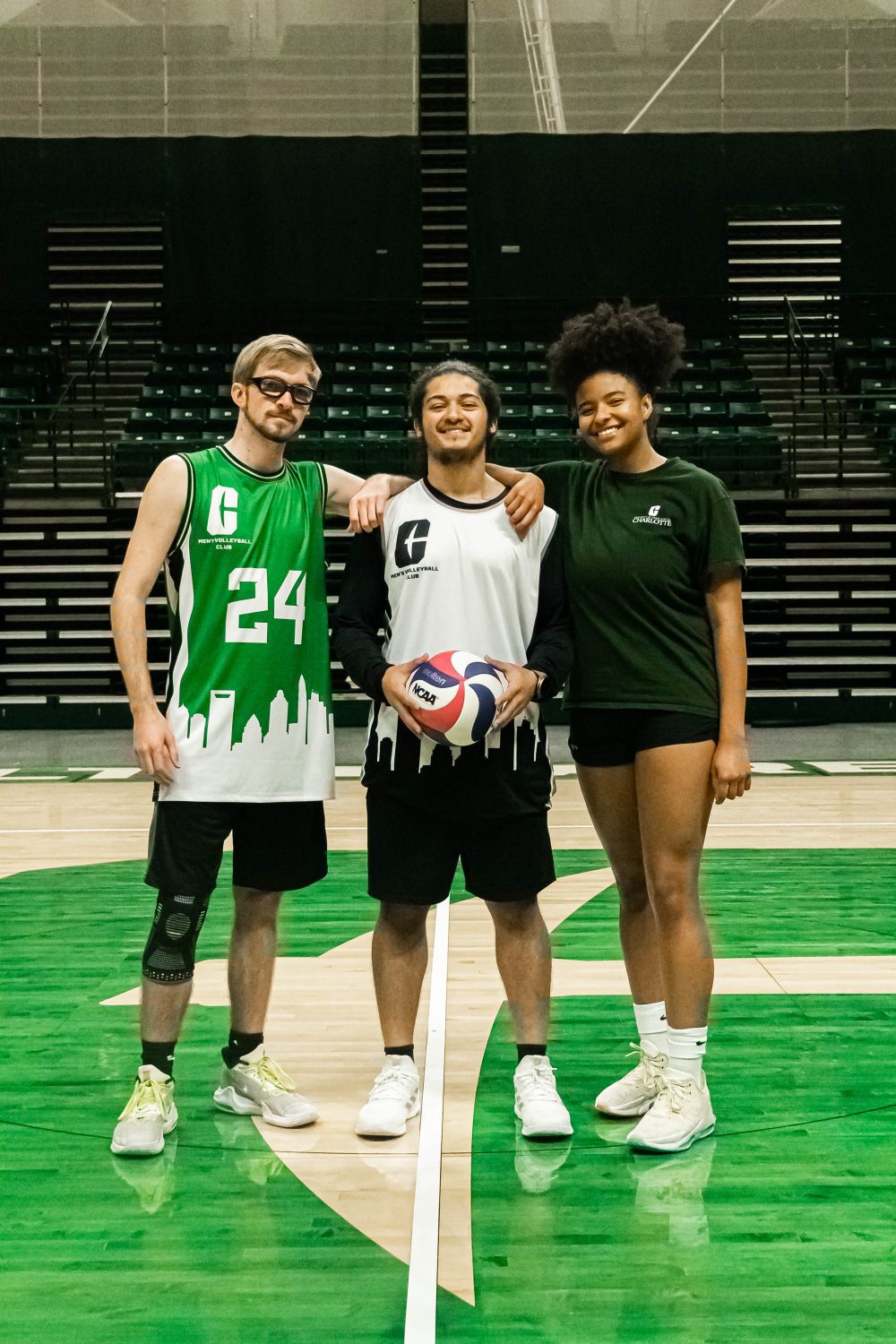
Outside academics and residence life, Black found community on the volleyball court at the University Recreation Center.
Black played club volleyball and coached the men’s club team, assisting them in their development.
“The one consistent bright spot of the volleyball community at UNC Charlotte could always be found on that third UREC court,” she said. “It brings together individuals from all parts of campus life while building strong relationships beyond the court setting.”
“I love Charlotte because of its diversity and ability to bring together people from all walks of life,” she said. “As a first-generation immigrant and person of color, it is not only comforting but affirming to see others who look like me in my educational settings and recreational spaces.”
Preparing for graduate study
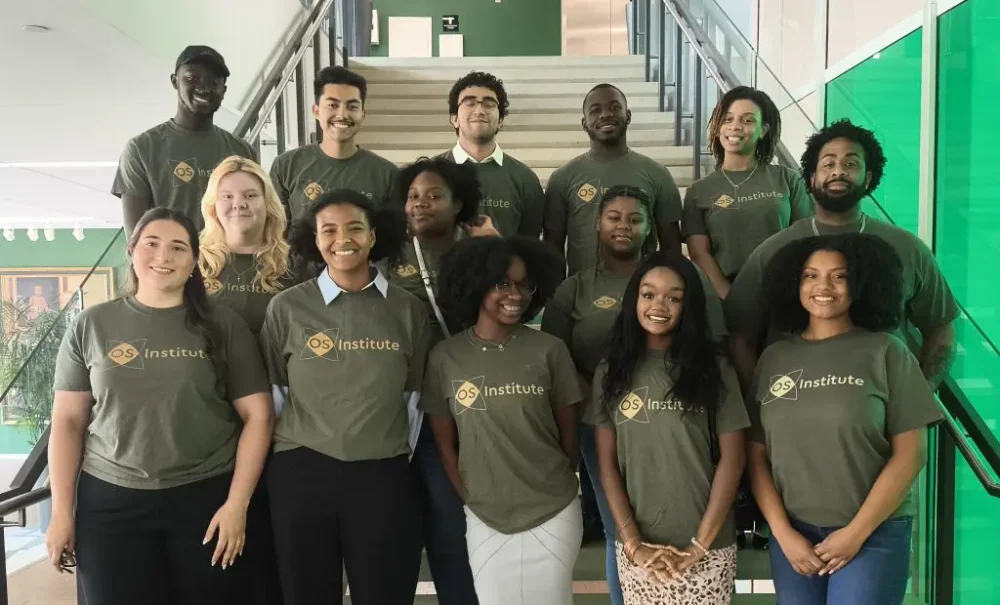
Her commitment to organizational science was further strengthened through participation in the Shawn Long Institute, an intensive weeklong program designed to prepare students for graduate study in industrial/organizational psychology.
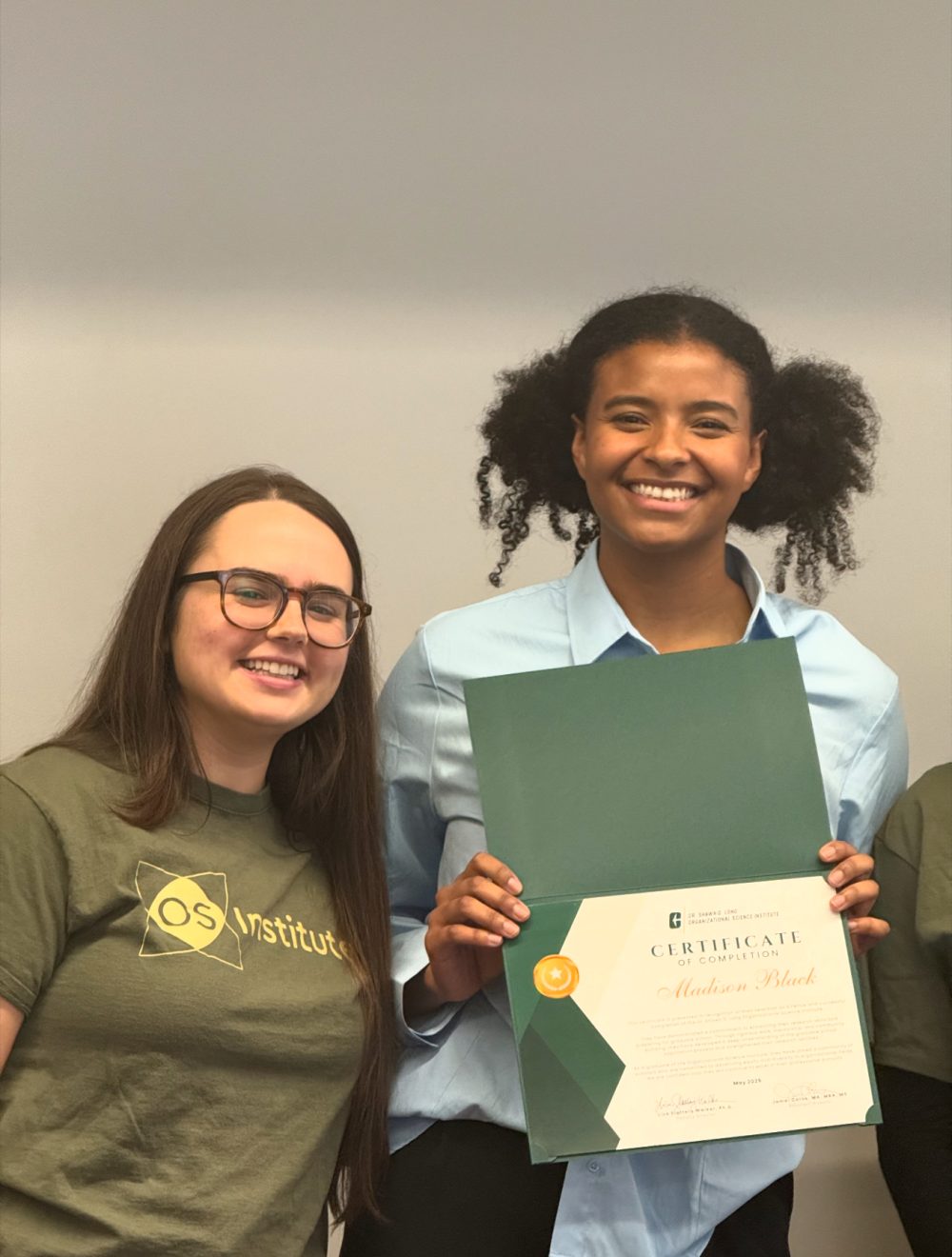
The experience gave her confidence as she applied to four master’s programs in industrial/organizational psychology across North Carolina.
“It sealed it for me and made it more definitive that I could do a master’s program,” she said. “The institute was full days of learning — survey development, bridging the gap between psychology and IO applications, and presenting in front of faculty, grad students and guest speakers. It made me realize how different a master’s application is compared to undergrad.”
As she closes her undergraduate chapter, Black is focused on the future and eager to continue her journey of learning and leadership.
Her experiences — from research with Davenport and Wilde, to mentorship from Rogelberg, to the confidence gained through the Shawn Long Institute — have prepared her to take the next step.
“I know I can do it,” she said. “UNC Charlotte gave me the foundation, the community and the support to believe in myself. Now I’m ready to carry that forward into graduate school and beyond.”