From Charlotte to Vercelli: A summer of multispectral imaging with Helen Davies
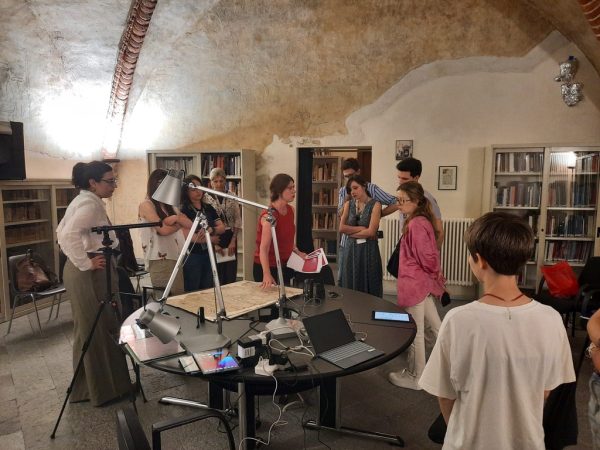
Helen Davies spent summer 2026 conducting interdisciplinary research in her UNC Charlotte lab and libraries, archives and classrooms across Europe.
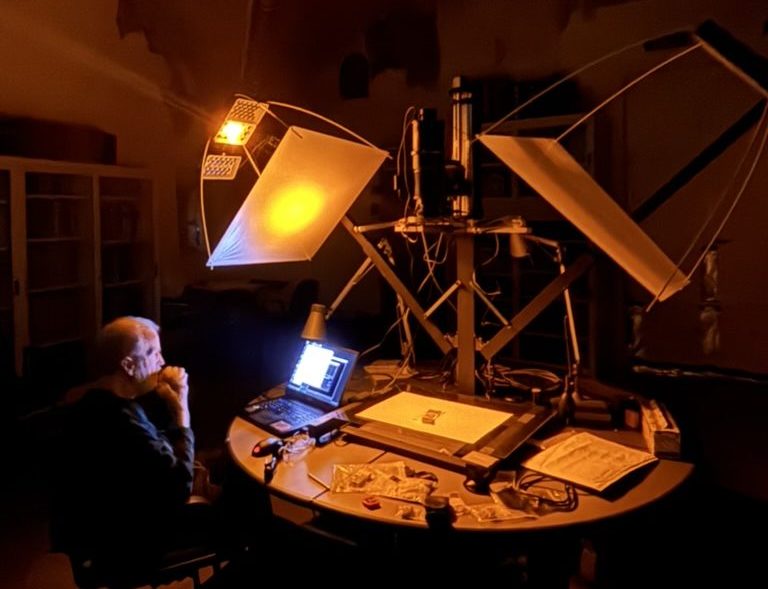
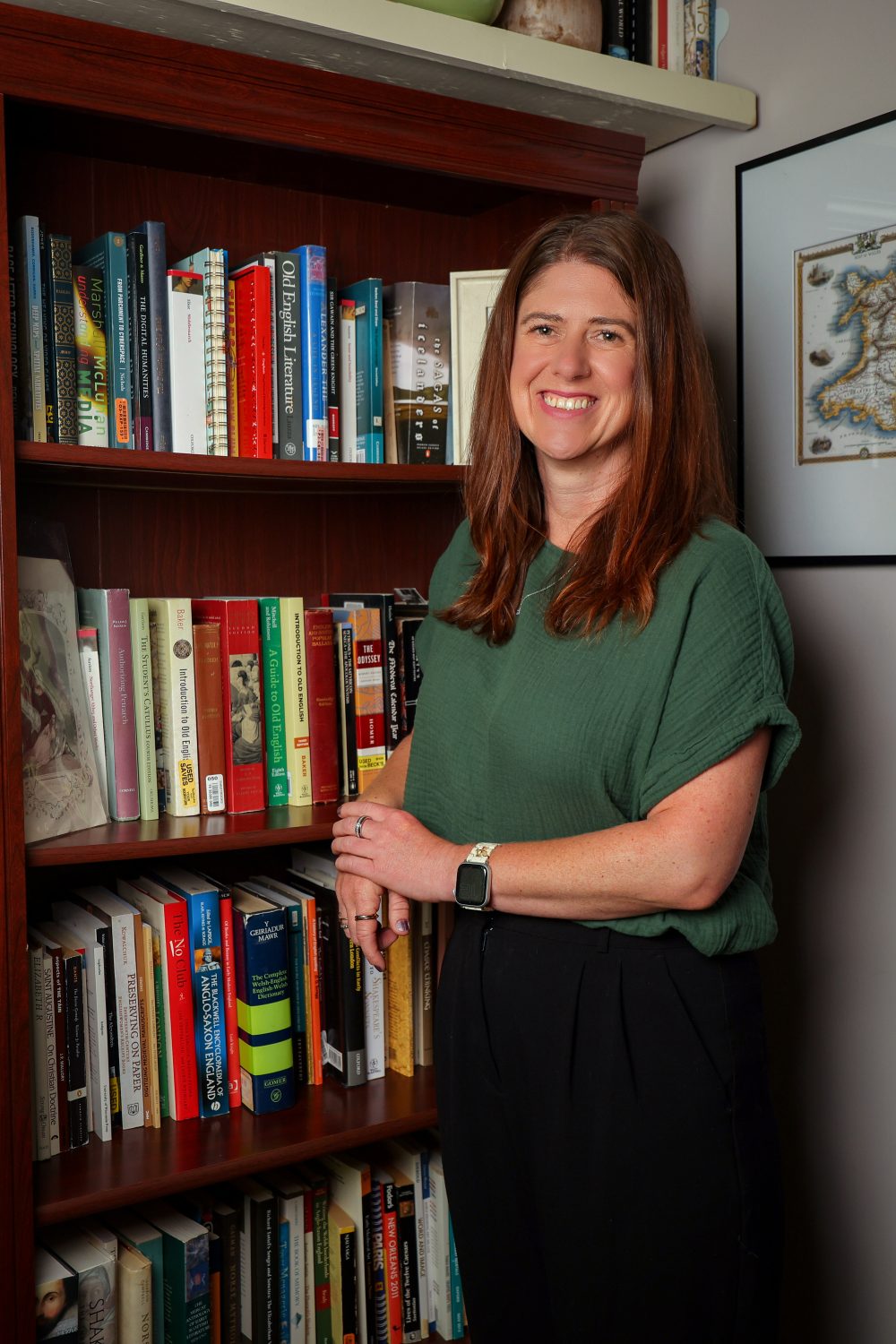
Davies, who joined UNC Charlotte as an assistant professor in 2025, holds a joint appointment in the Department of English and the School of Data Science. Her research focuses on multispectral imaging, a technique that uses specialized cameras and light to reveal damaged, erased or illegible text in historical materials, and on making imaging technology more accessible to researchers and cultural heritage institutions.
How has interdisciplinary collaboration shaped your research?
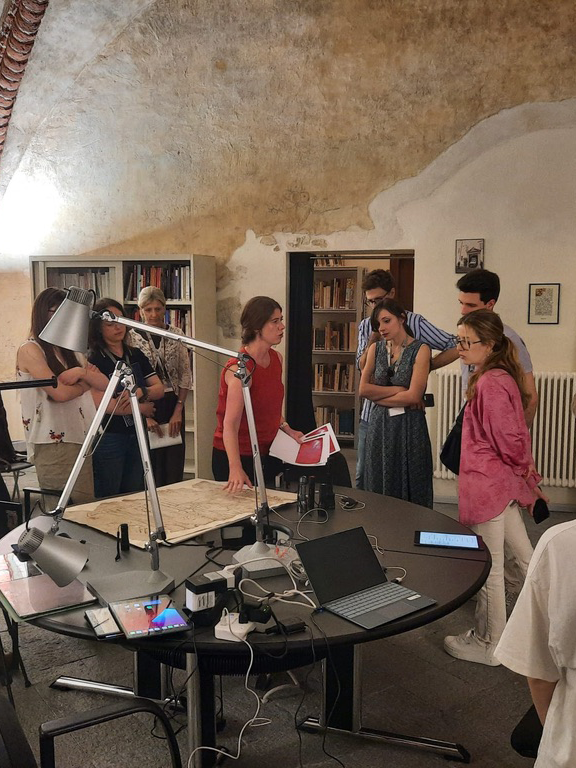
Collaborations are among the most memorable and productive parts of my work. The summer imaging project brings together medievalists, imaging specialists, data scientists, conservators and other technical researchers. When everyone looks at the same object from a different disciplinary perspective, the questions change.
This summer’s work – with the School of Data Science on the software project while also working in Vercelli with the imaging team – made that especially apparent. Moving between those perspectives made the connections between the projects much more visible.
How did this international experience advance your research?
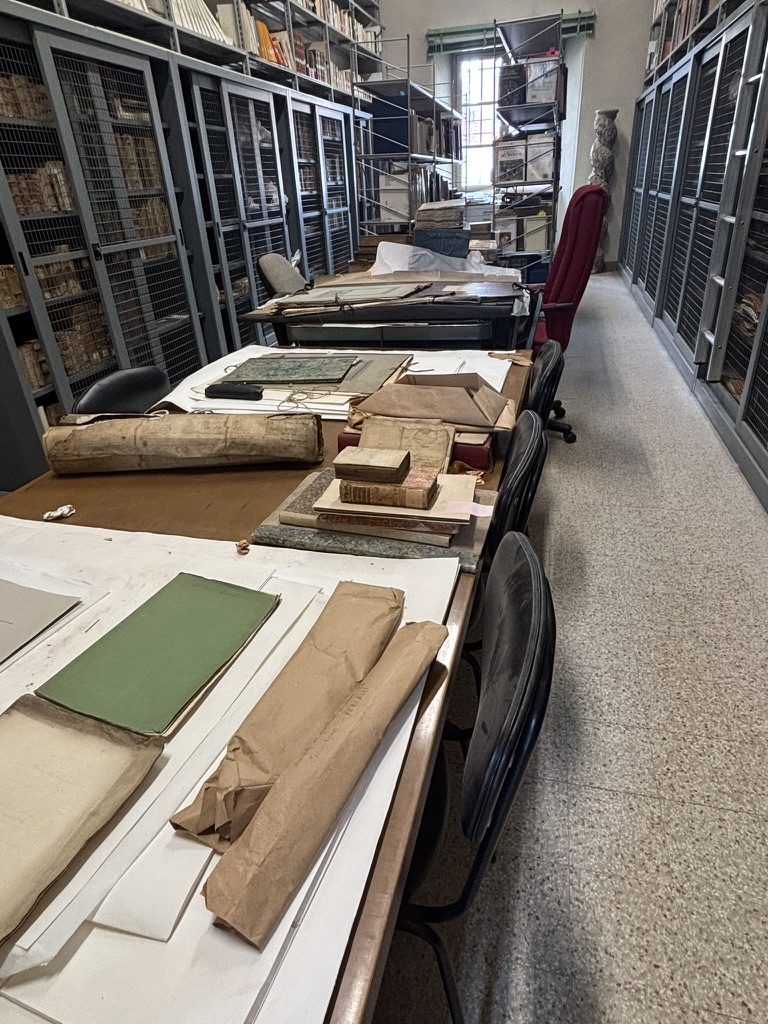
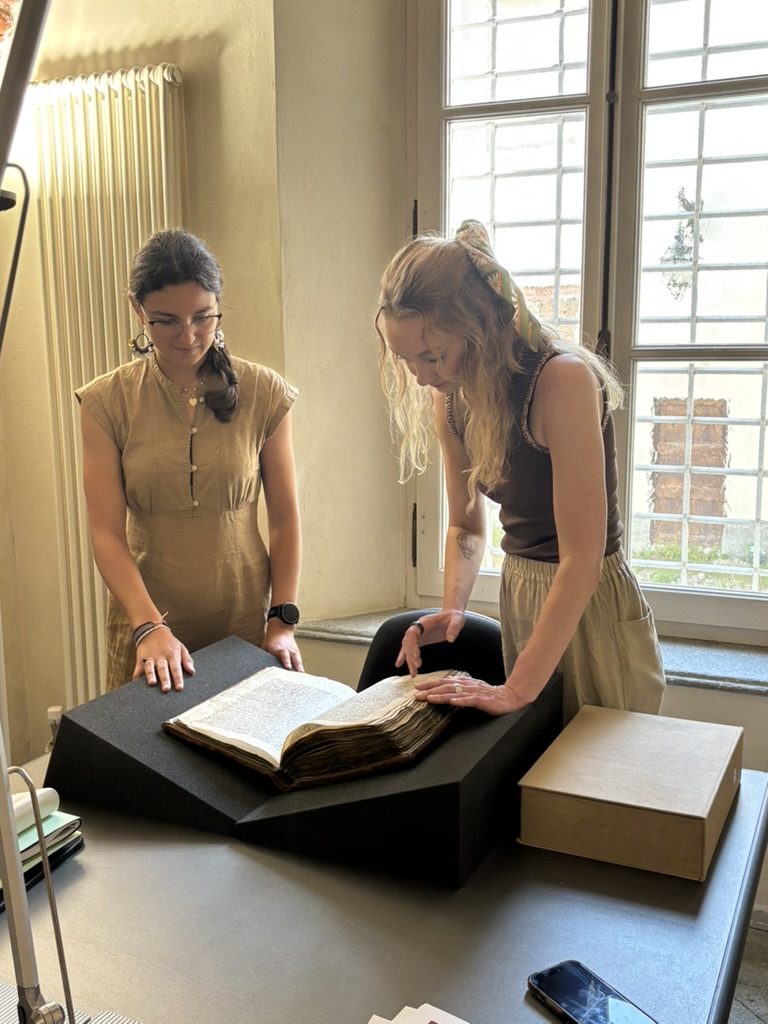
Collaboration across cultures provided the opportunity to move my accessible imaging project from research and experimentation into a new phase of imaging, analysis and collaboration. I taught the approach at a digital humanities summer school and worked with it in the archive.
I received an additional seed grant from the School of Data Science to support the development of accessible software for processing multispectral imaging data. Marco Scipioni, the project’s co-principal investigator, and I worked with graduate students Aubrey Chapman, who is pursuing a master’s degree in English, and Daniel Sanky, who is pursuing a doctoral degree in data science.
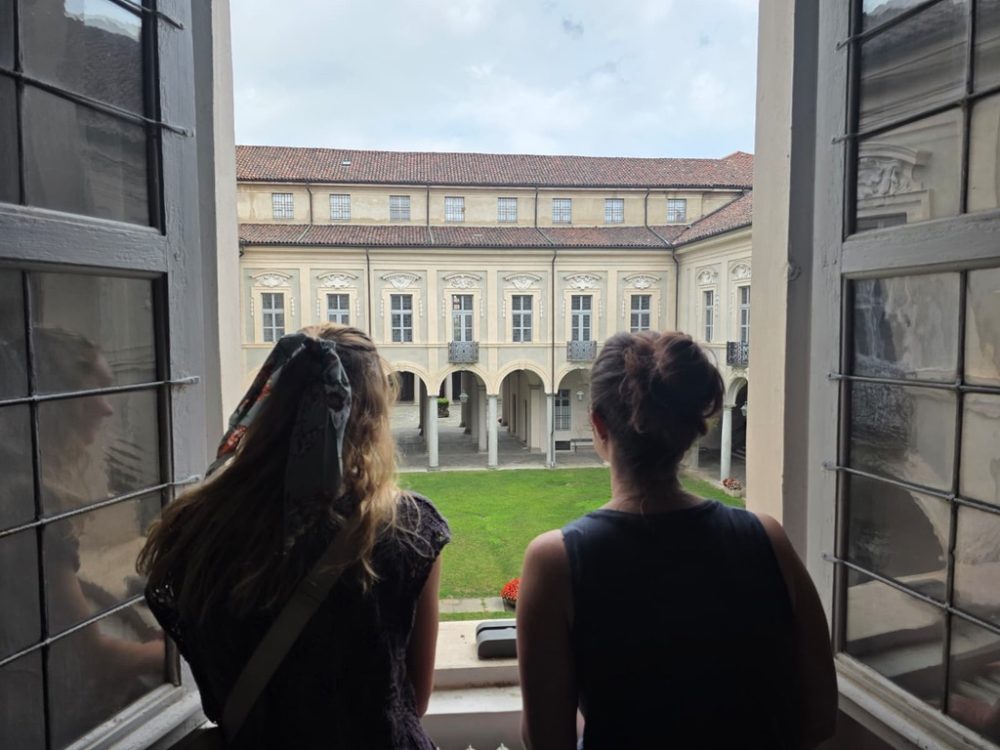
How is imaging changing the way you understand the Vercelli Mappa Mundi?
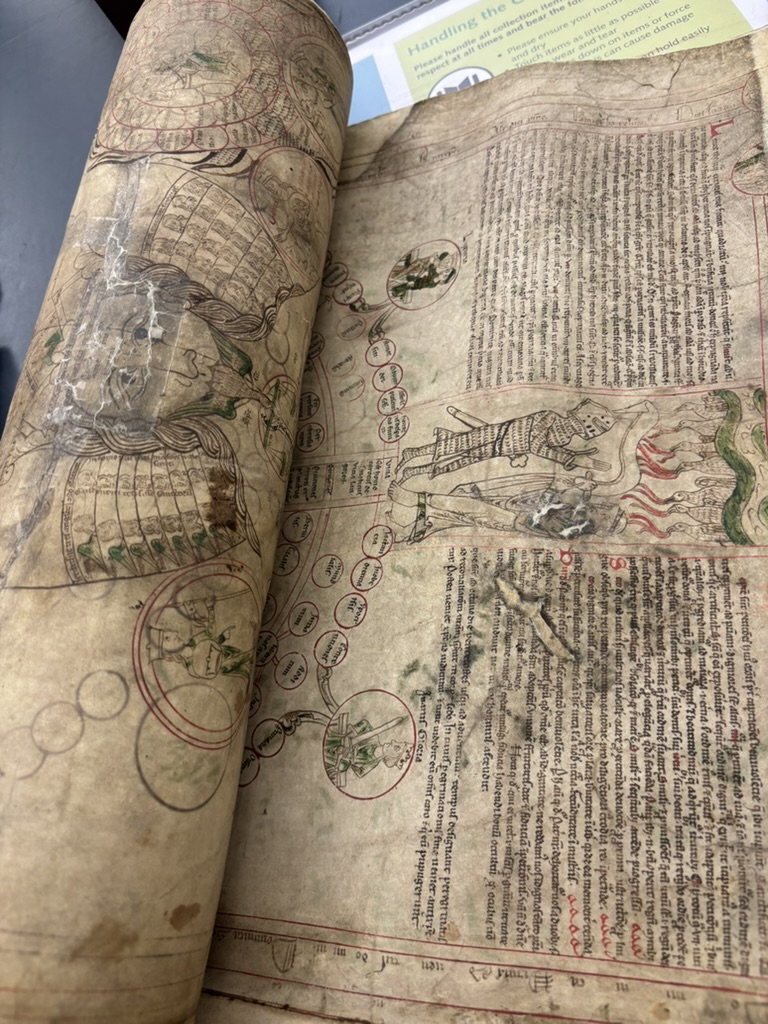
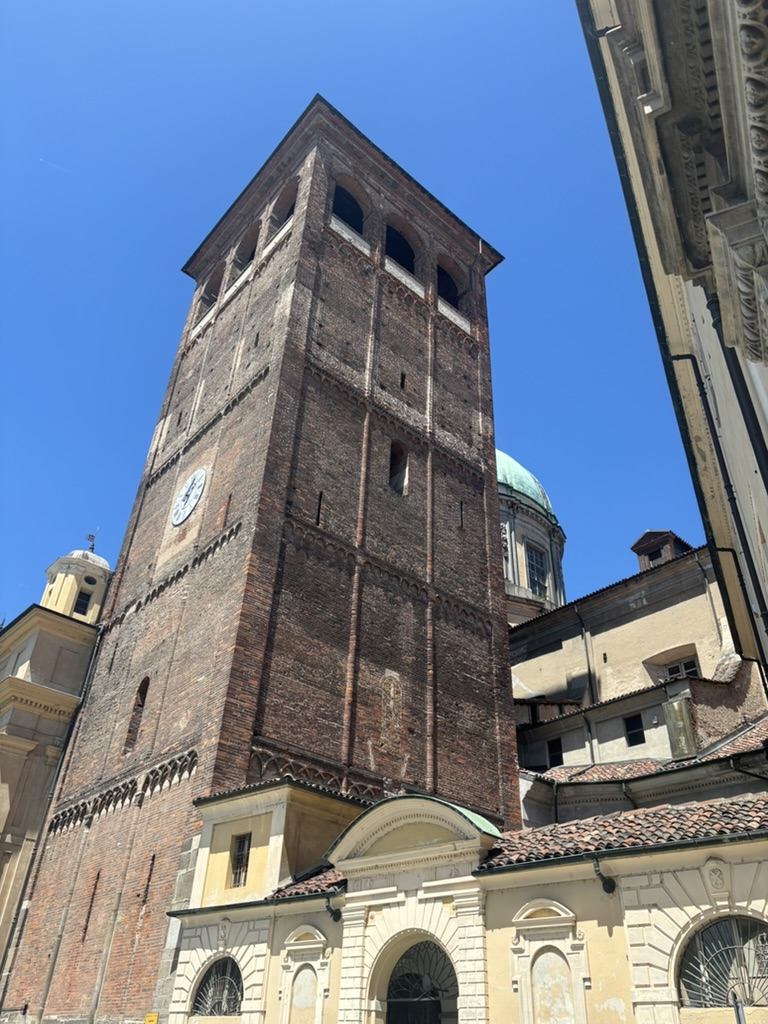
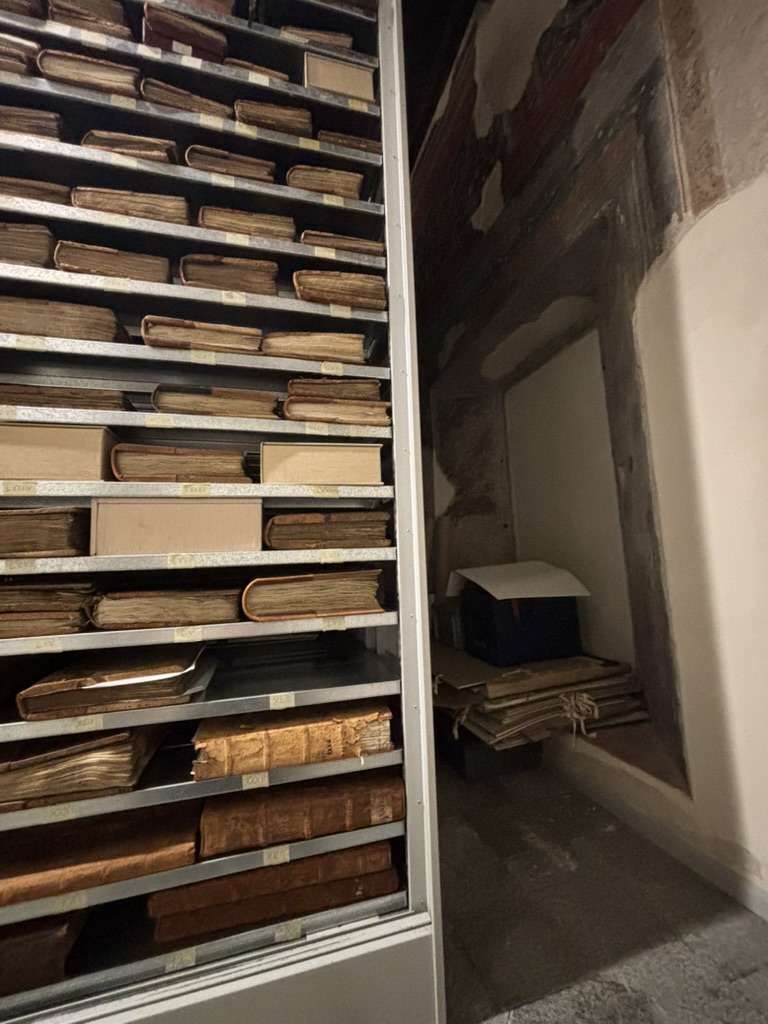
By the time I went to Vercelli in July, we had a working prototype that I was able to use to process data and share results. I took some incredible photos of the Vercelli Mappa Mundi using this approach, some of which are better than many of the multispectral images I have from larger systems.
I have been thinking more about the map as a layered object, with geographic, textual, visual and historical information working as intersecting narratives. Computational methods can help us recover and interpret those layers. The imaging work is becoming an important part of how I understand the manuscript and approach its digital and material dimensions.
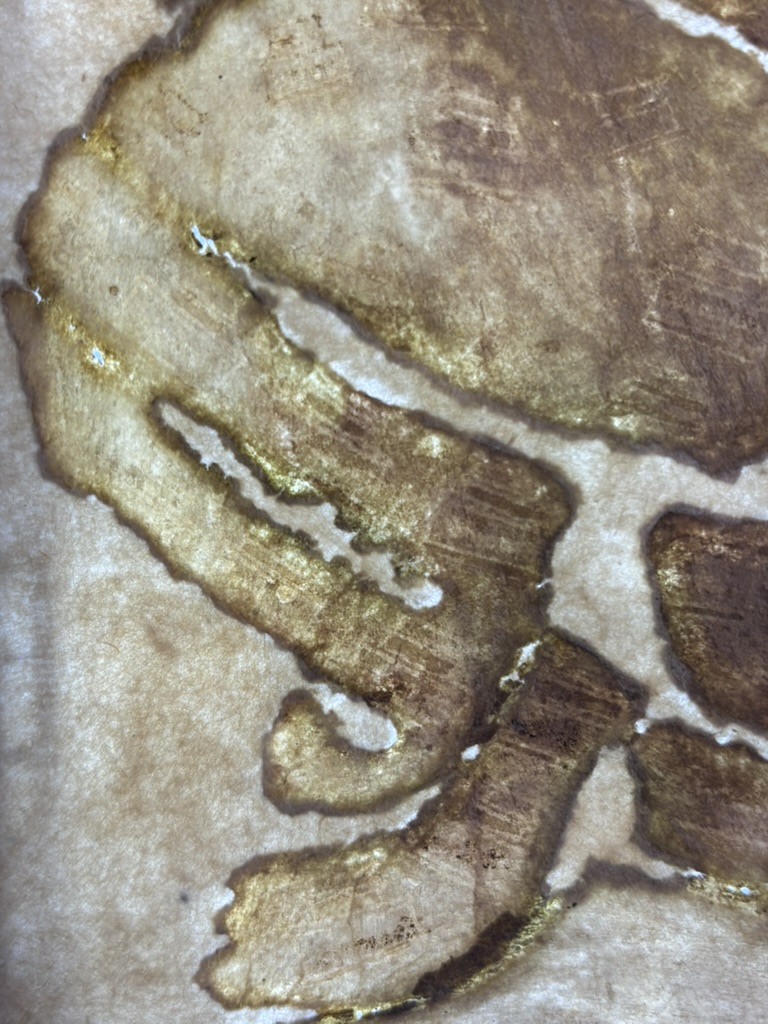
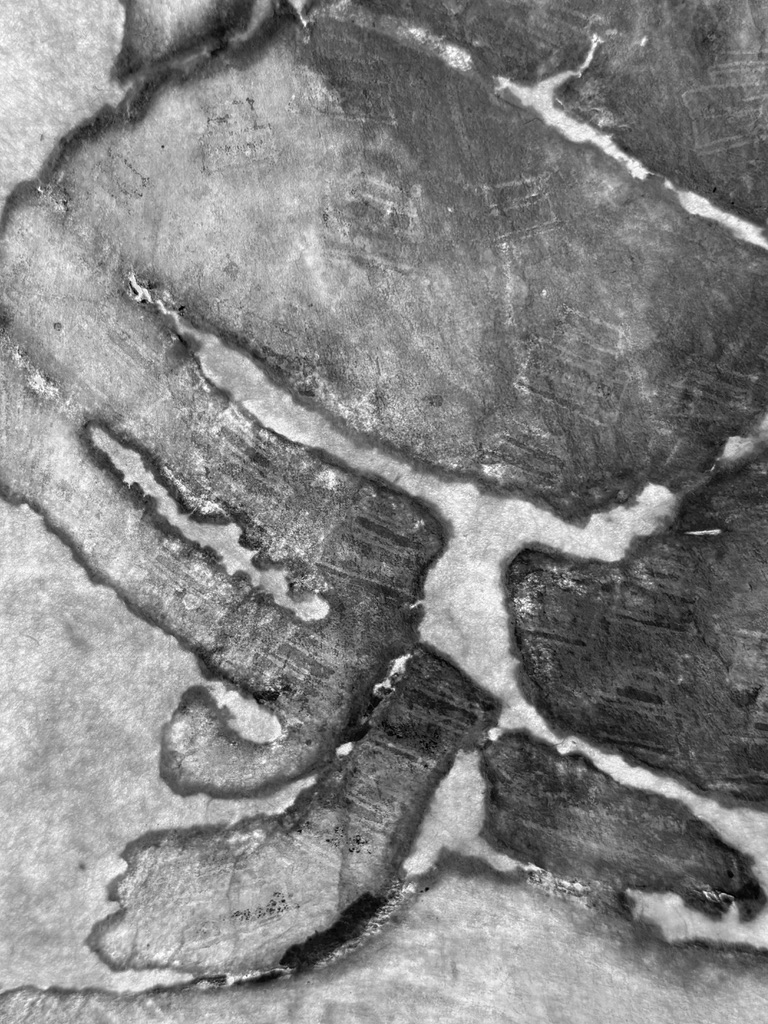
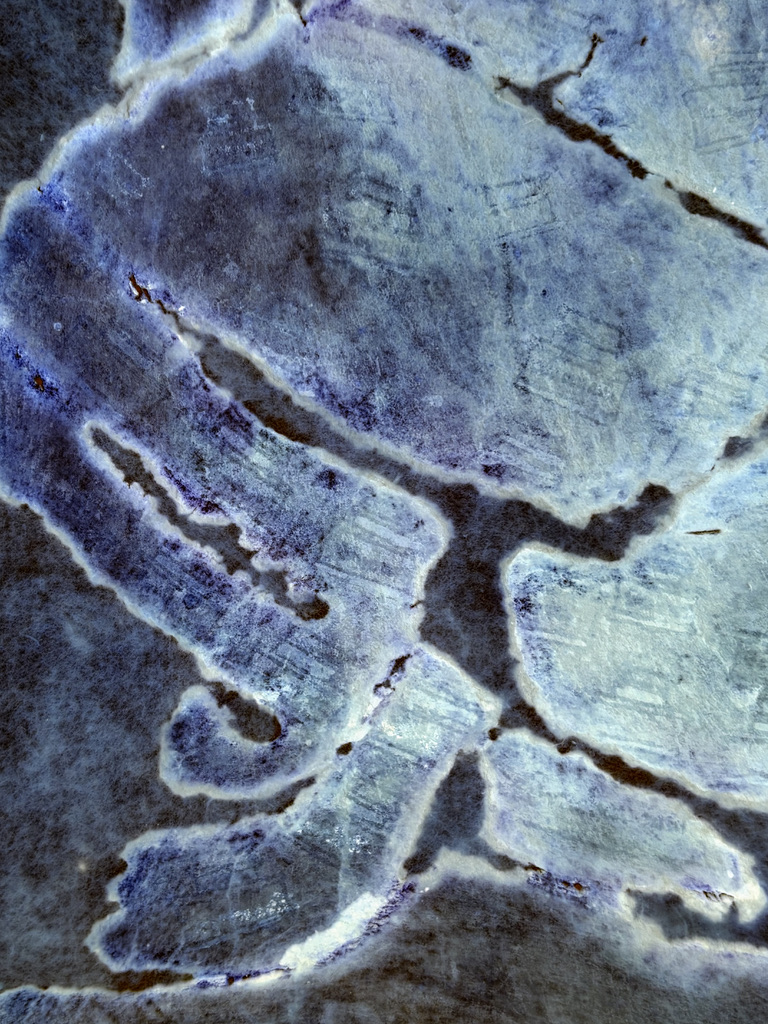
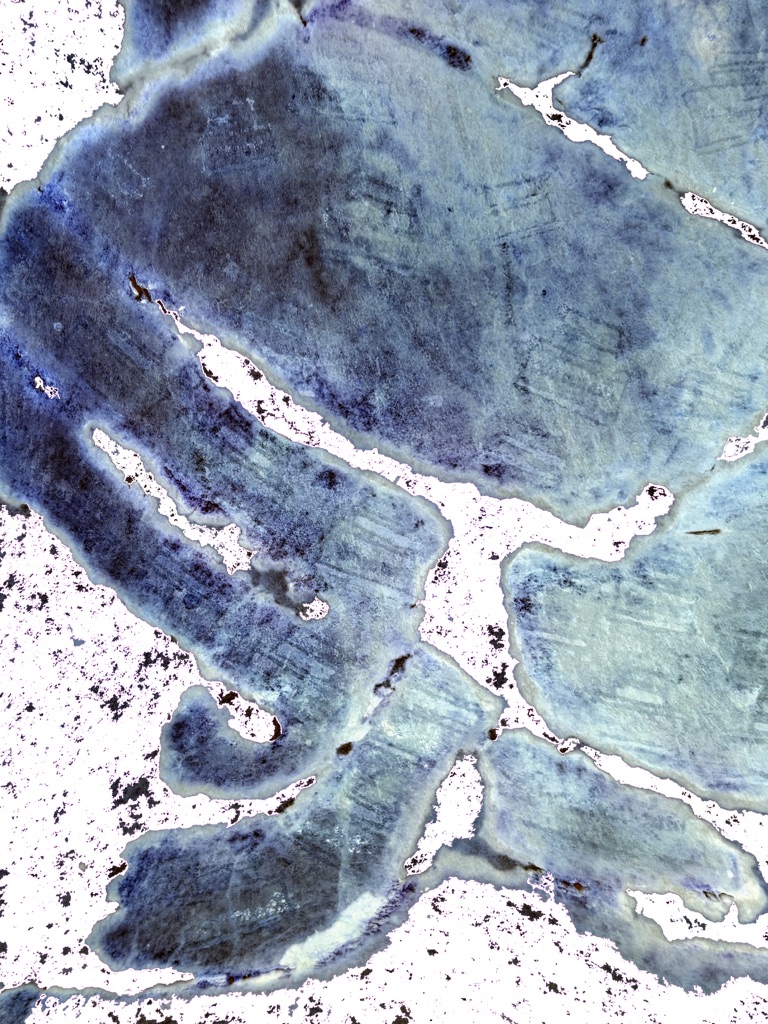
Vercelli Mappa Mundi, Museo del Tesoro del Duomo e Archivio Capitolare, Rotoli Figurati 6. The image on the left is the map under natural light through the kolari camera system and the images get more processed as you move towards the right.
What is one of the most memorable moments of your summer?
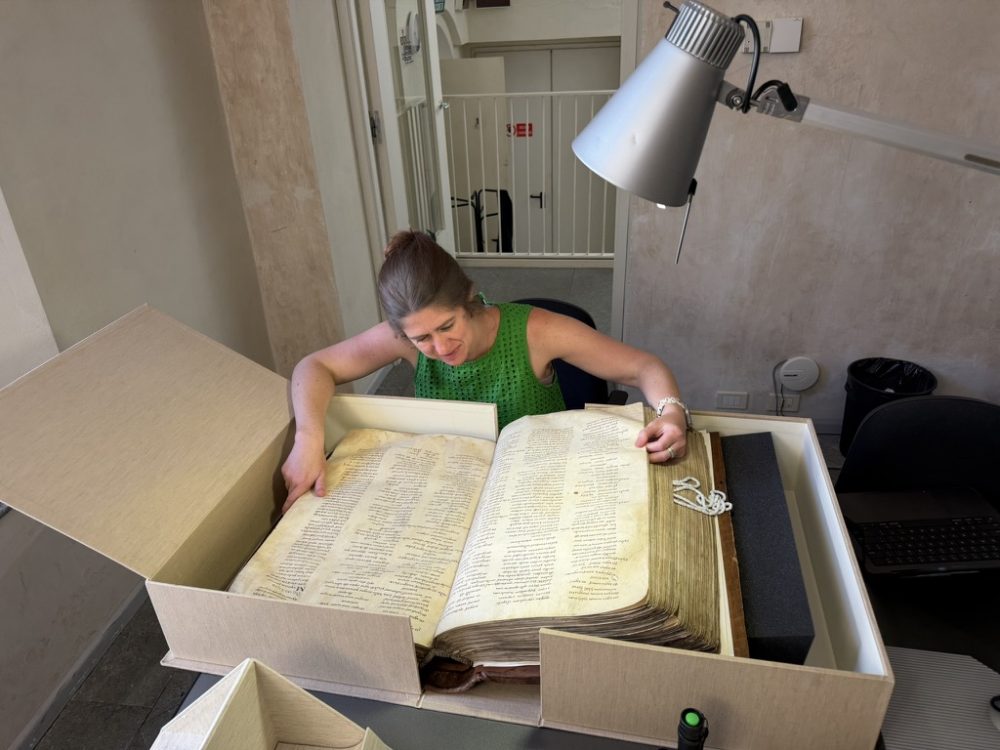
Some of my favorite moments were completely unexpected. I took a trip to the British Library hoping to examine a manuscript in person, but unfortunately, I wasn’t able to see the one I was interested in. I didn’t want to waste the trip, so instead I looked at some manuscripts that have connections to my work in Vercelli. It was cool to see some of the different interpretations of objects I’ve come to know increasingly well through this project.
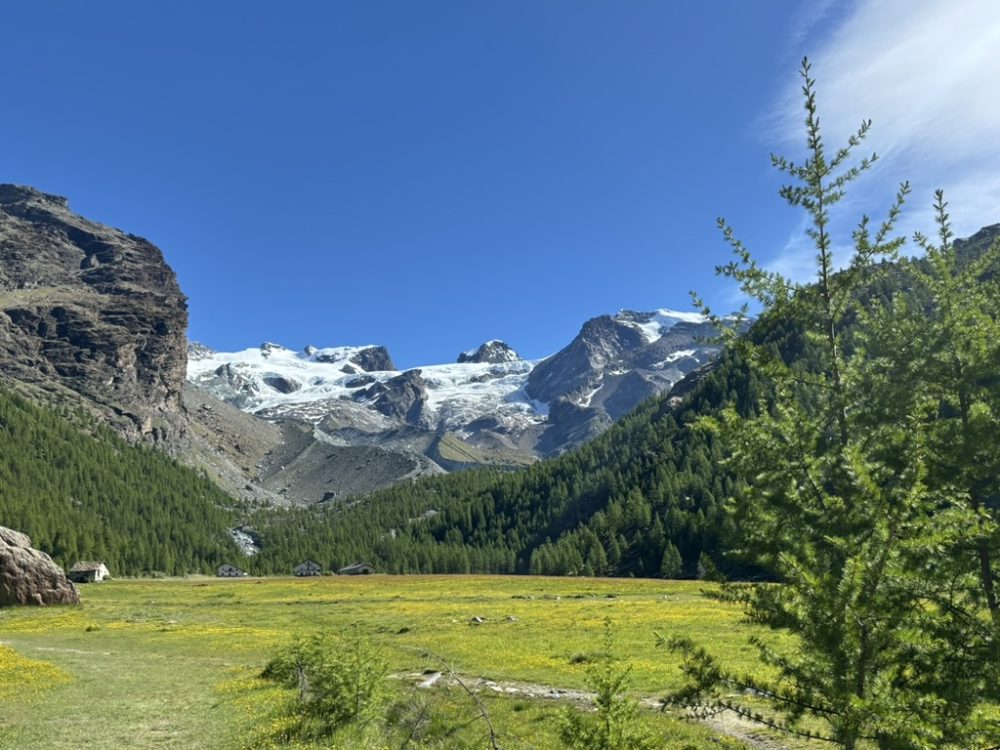
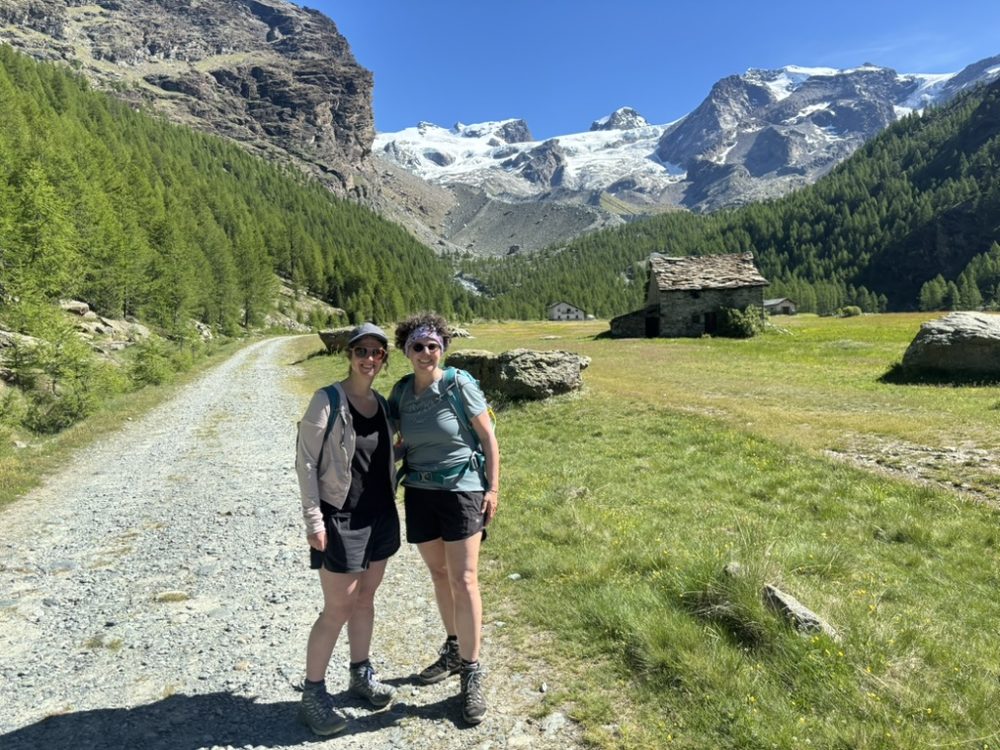
Another unexpected highlight came while I was teaching at a digital humanities summer institute run by the University of Milan. During lunch, one of the program directors offered to pick me up the next day and take me hiking in the Alps, which was simply incredible.
What’s next for your research?
The immediate goal is to turn this year’s research and imaging work into publications and, ultimately, a larger book project on the Vercelli Mappa Mundi. I also want to continue developing the accessible imaging software our School of Data Science team has built.
I’m hoping to return to Vercelli next summer. There is considerably more to investigate, and the project has generated more questions than it has answered.
More about Helen Davies
Helen Davies joined UNC Charlotte as an assistant professor in 2025. Her role is a joint appointment between UNC Charlotte’s Department of English, in the College of Humanities & Earth and Social Sciences, and the School of Data Science, in the College of Computing and Informatics.
Davies previously served as an assistant professor of digital humanities at the University of Colorado Colorado Springs for five years, where she co-founded and co‑directed the UCCS Center for Research Frontiers in the Digital Humanities.
In January 2026, Davies joined the seventh cohort of the Gambrell Faculty Fellowship. She and collaborators Marianna B. Ganapini and Sijia Qian are leading AccessAI, a project that studies how Charlotte residents use and understand artificial intelligence. The team is examining environmental impacts, ethical concerns and the need for accessible public literacy.
Davies holds a B.A. in history and classical civilizations from Loyola University Chicago, where she graduated with minors in Latin, anthropology and medieval studies. She went on to earn an M.A. in medieval studies from the University of York, an M.A. in digital humanities from Loyola Chicago and a Ph.D. in English from the University of Rochester.
Davies’ work is grounded in more than a decade of leadership in digital humanities. She is the co-founder and director of Videntes, a cultural heritage recovery project launched in 2022, and she serves on the board of the Institute of Cultural Heritage Imaging, a non-profit organization that builds innovative digital tools and practices that save world heritage.
Davies has been part of the Lazarus Project since 2020 and previously coordinated R‑CHIVE, an inter‑university imaging collaboration. Earlier in her career, she co-founded the Mississippi Digital Humanities Collective.
Written by Helen Davies and Emily Hamm
Photos courtesy of Helen Davies
Headshot by Kat Lawrence