UNC Charlotte archaeologist’s research featured on the cover of Science
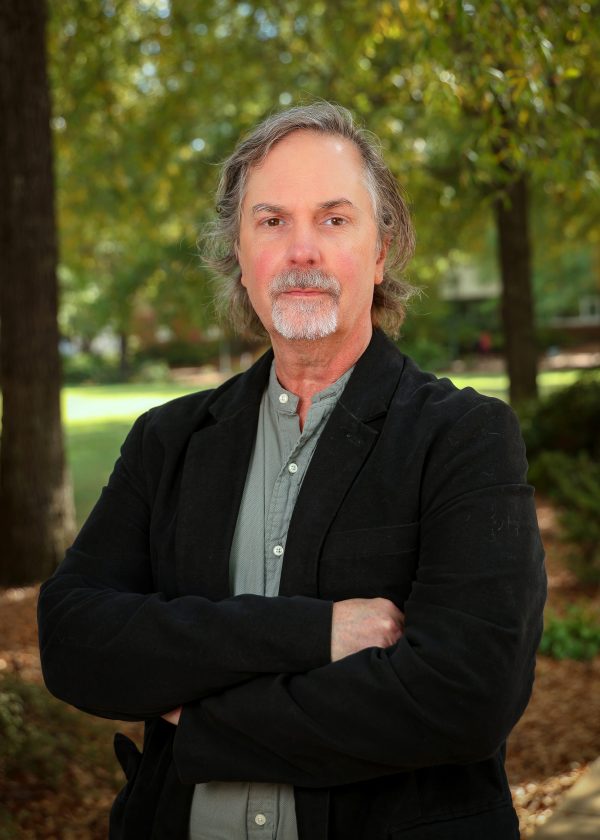
Fifteen years ago, a set of radiocarbon dates from an archaeological site in Ecuador left UNC Charlotte archaeologist Dennis Ogburn with more questions than answers.
The dates did not fit the accepted timeline of the Inca Empire. Instead, they suggested the empire may have begun expanding several decades earlier than historians and archaeologists had long believed.
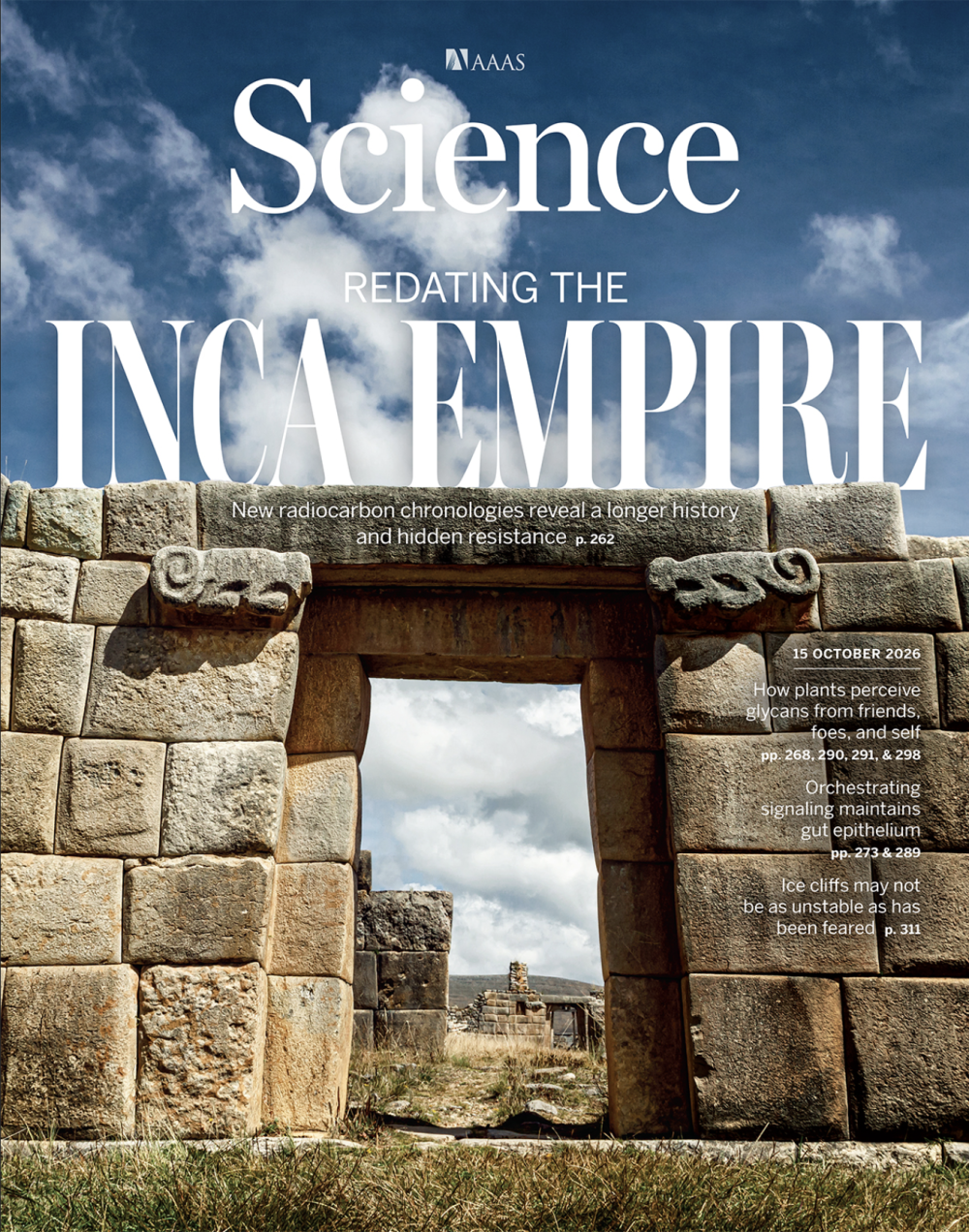
Today, that once-controversial finding stands at the center of a major reassessment of Inca history featured in the Oct. 15 issue of “Science,” one of the world’s leading scientific journals. Ogburn’s pioneering research is highlighted in the cover story, bringing international attention to a scholarly debate he helped launch.
“It is great to receive recognition for this research,” said Ogburn, associate professor of anthropology at UNC Charlotte. “And I’m glad to see how other archaeologists have followed up on my research by producing more radiocarbon dates from around the Andes and refining the methods for increasing the accuracy of those dates. As a result, we now have a much stronger foundation for understanding how and when the Inca Empire emerged and expanded.”
The Science feature “Redating the Inca Empire,” explores how advances in radiocarbon dating are reshaping archaeologists’ understanding of the Inca, the largest empire in pre-Columbian South America.
For decades, researchers relied on a chronology developed in the 1940s from one Spanish colonial account believed to provide the most reasonable dates for milestones of Inca imperial expansion. That chronicle placed the beginning of the empire in 1438 and suggested its rapid expansion occurred over less than a century.
In 2008, Ogburn received a Faculty Research Grant from UNC Charlotte to conduct test excavations at the Inca site of Chamical in southern Ecuador. To establish when Chamical was constructed and how long it was occupied, he sent seven samples of organic material for radiocarbon dating, funded by the Faculty Research Grant and by a small research grant obtained in 2010 from the Dean’s Office, of what is now the College of Humanities & Earth and Social Sciences. The additional radiocarbon dates secured with the small grant were critical to making a conclusive argument about the site’s chronology.
Although the site contained military artifacts and evidence of imperial activity, radiocarbon dating indicated it was occupied significantly earlier than the accepted chronology allowed.
Rather than dismissing the results, Ogburn pursued the implications.
In 2012, he published a paper calling on archaeologists to build a new chronology for the Inca Empire using radiocarbon data rather than relying primarily on colonial-era historical accounts. Previously, early dates from other parts of the empire were often met with skepticism.
Over the years, however, researchers working across the Andes accumulated new evidence. Improved statistical techniques and more precise radiocarbon calibration made it possible to narrow dating ranges and compare results from sites throughout the former empire.
The growing body of evidence has led many scholars to conclude that the traditional timeline is no longer appropriate.
According to the Science article, archaeologists at a recent meeting in Peru unanimously agreed to abandon the longstanding chronology and begin constructing a new one based on radiocarbon evidence.
The shift has major implications for understanding the Inca Empire and the societies it encountered. Extending the timeline of imperial expansion by several decades changes how researchers interpret political relationships, cultural exchange and resistance across the Andes.
“Adding even a few decades fundamentally changes the questions we can ask,” Ogburn said. “It gives us a much more nuanced picture of how people responded to the growth of the empire.”
The new chronology also reveals a more complex story than earlier narratives of swift and inevitable conquest. Archaeologists are increasingly finding evidence of negotiation, cooperation and resistance among local communities as the Inca expanded their influence.
The Science feature highlights Ogburn’s role in helping drive this transformation in the field. What began with unexpected data from a small excavation project has become part of a broader effort involving researchers throughout South America, North America and Europe.
For UNC Charlotte, the recognition underscores the global impact of faculty scholarship and the University’s longstanding strengths in archaeological research.
“Dennis is a fearless scientist and has an adventurer’s spirit. He has consistently demonstrated the curiosity and persistence that define great scholarship,” said Chris Boyer, dean of CHESS. “His willingness to follow the evidence, even when it challenged conventional wisdom, has helped reshape our understanding of one of the world’s great civilizations.”
Although much work remains, Ogburn thinks back to that small grant from the College and realizes that it has made a big impact. He believes archaeologists are entering a pivotal period in Inca studies.
“We’re still rebuilding the chronology,” Ogburn said. “But we now know that we can have more confidence in radiocarbon dating of Inca sites and that we cannot rely on many of our previous assumptions that were based on colonial accounts. It’s exciting to have prompted other researchers to build on my work and to see us developing a more accurate history of the Inca world.”
Written by Jenn Conway
Photo by Kat Lawrence
Cover courtesy of the American Association for the Advancement of Science
Cover photo José Luis Matos Muñasqui, Archivo del Proyecto Qhapaq Ñan–Sede Nacional del Ministerio de Cultura del Perú